Fuji MoreZ and Yamato: What Provenance Tells You
How to read Japanese shear provenance claims while comparing Fuji MoreZ and Yamato models.
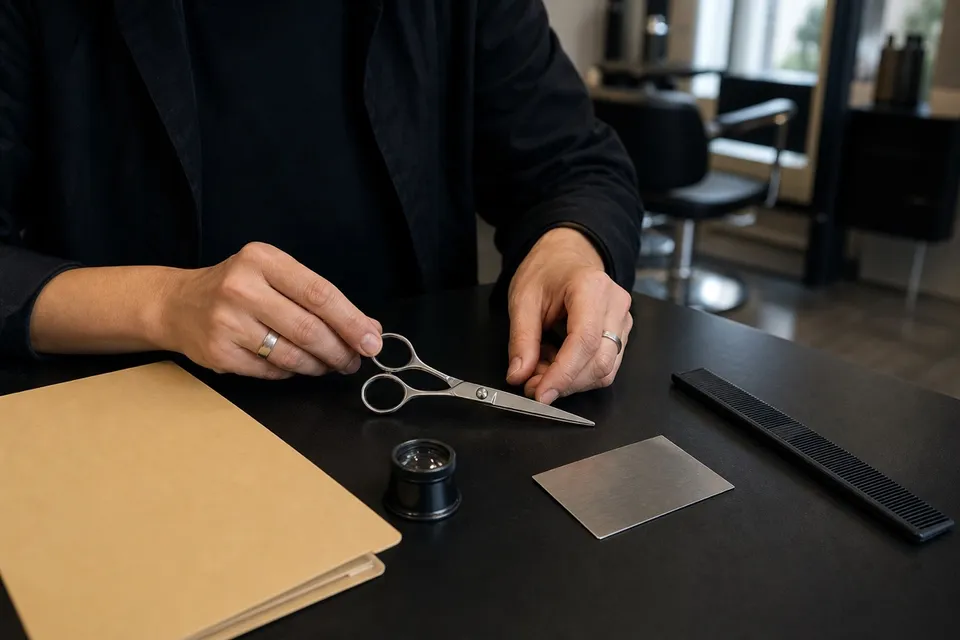
A town name or workshop story can be interesting. It does not tell you how a shear feels through hair. When comparing Fuji MoreZ and Yamato, keep provenance separate from model fit.
Read the model, not just the story
Ask which exact shear is being offered. Check blade length, edge, handle and steel as stated for that model. If a seller makes a claim about where it was forged, assembled or finished, look for that detail in the maker’s own material for the same model. Those are distinct steps in production.
Then return to the work: does the blade suit your main technique? Can you maintain its edge? Does the handle fit your grip? A proven origin cannot compensate for the wrong length or shape.
See the Fuji MoreZ profile and Yamato profile for maker context. Our buyer’s guide turns the same questions into a shortlist you can use across brands.
A closer look at shears
Comparing two models? Send us their names or SKUs and the cutting work you have in mind.