Built for the chair
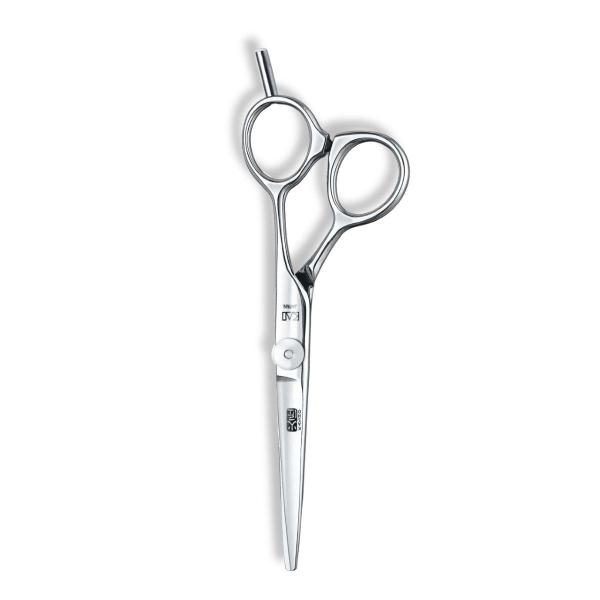
Barber Shears
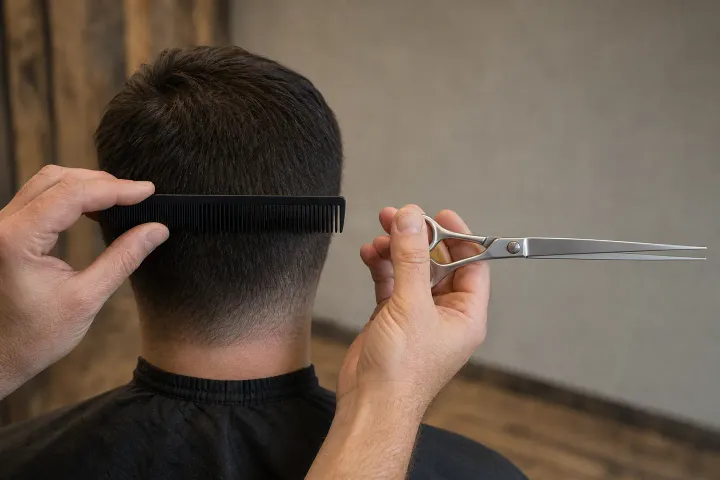
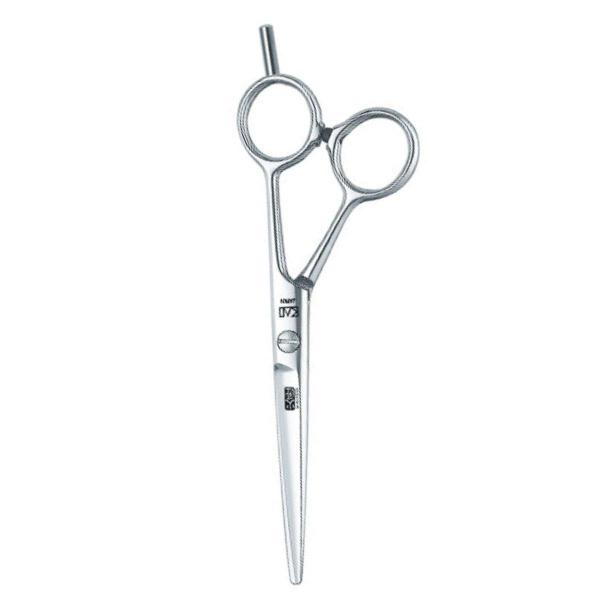
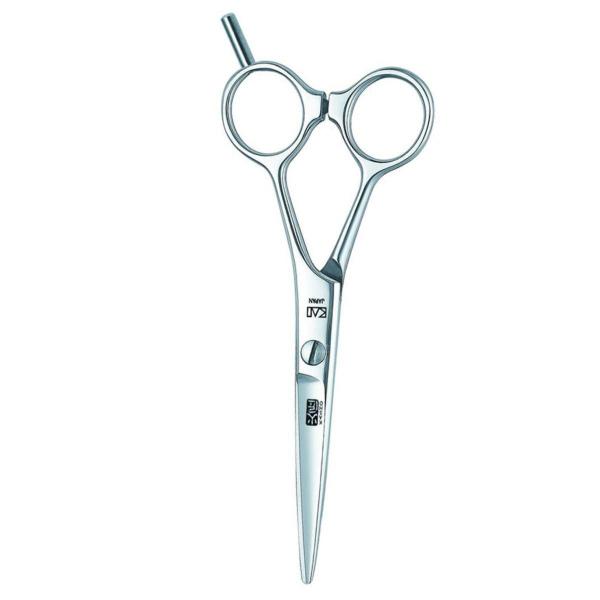
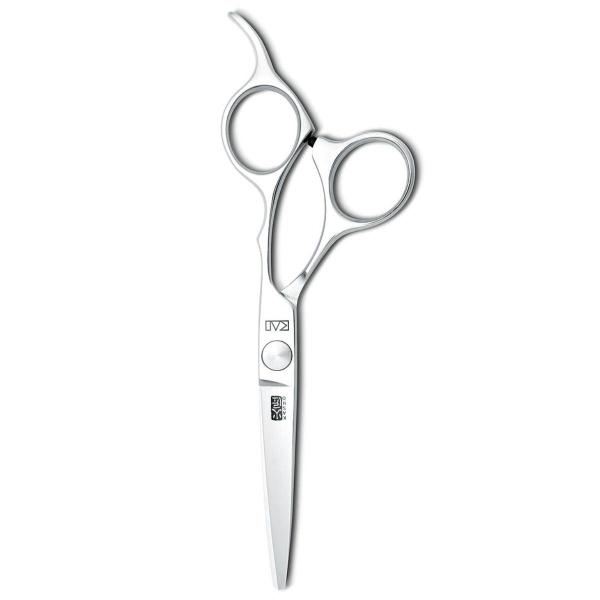
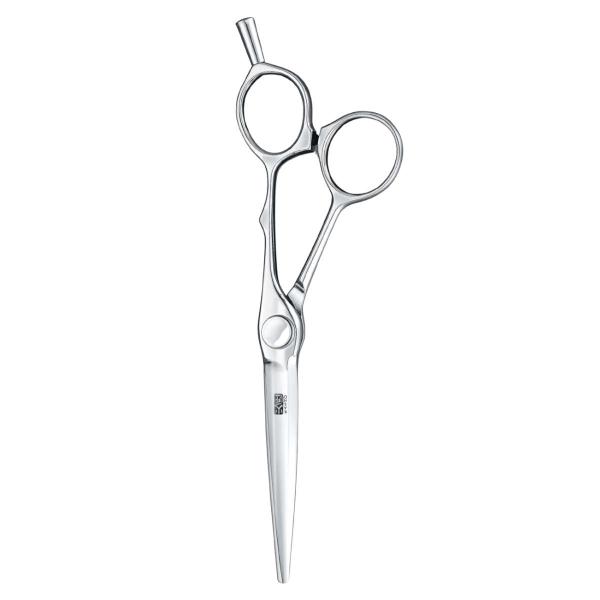
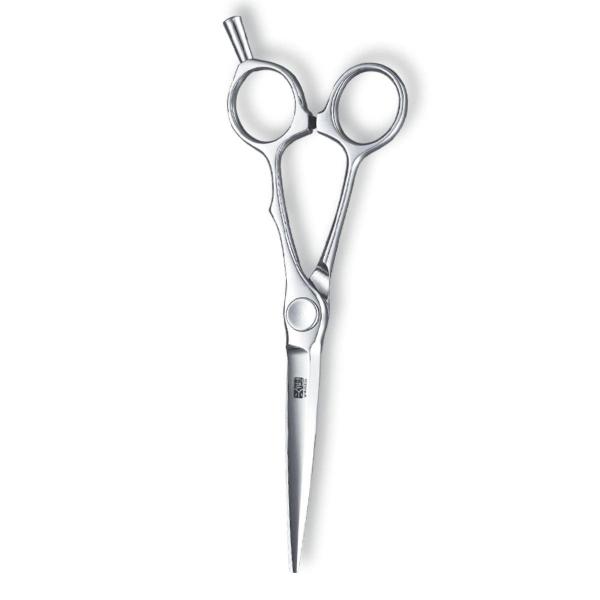
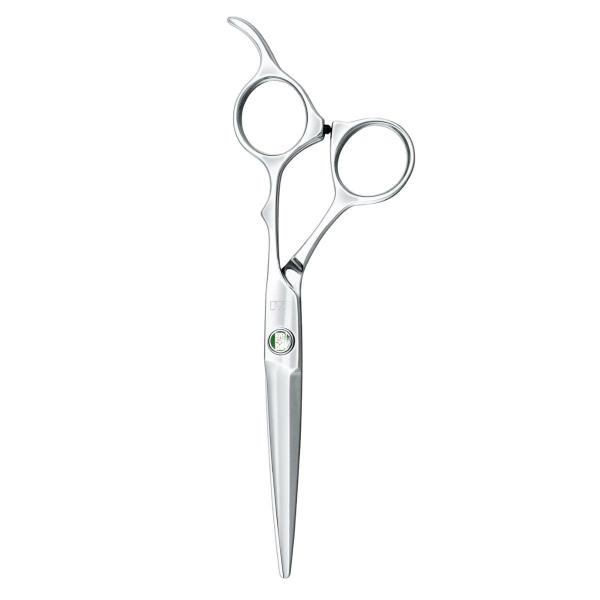
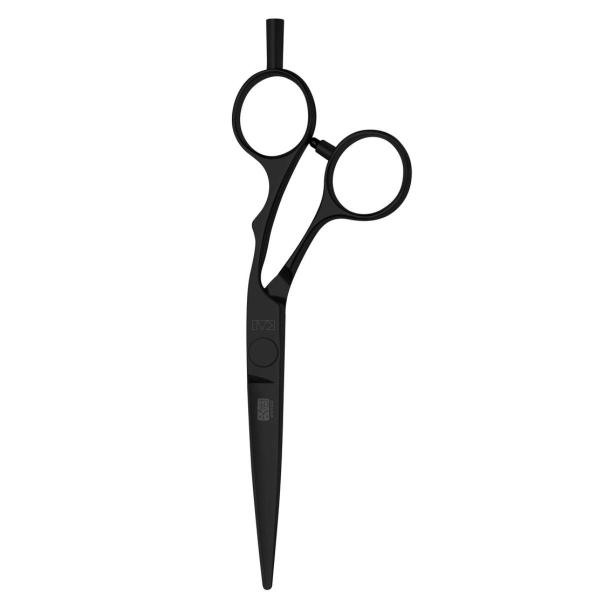
Compare barber cutters by cutting hand, useful reach, handle and blade construction. The generated photograph shows a generic barber-and-comb setting.
More about Barber Shears
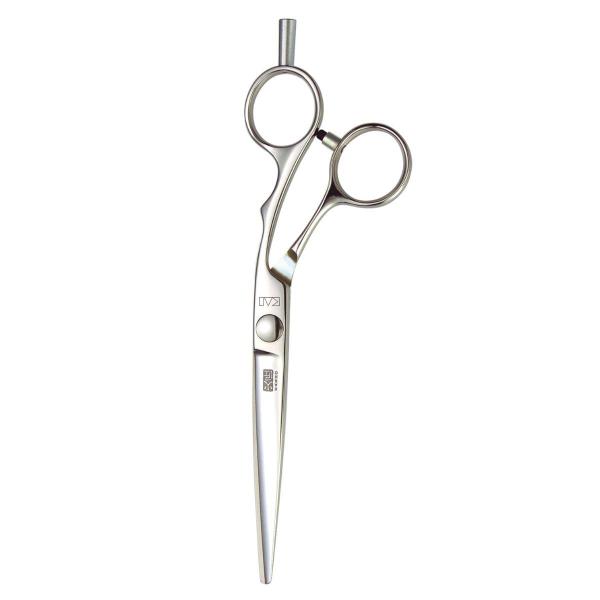
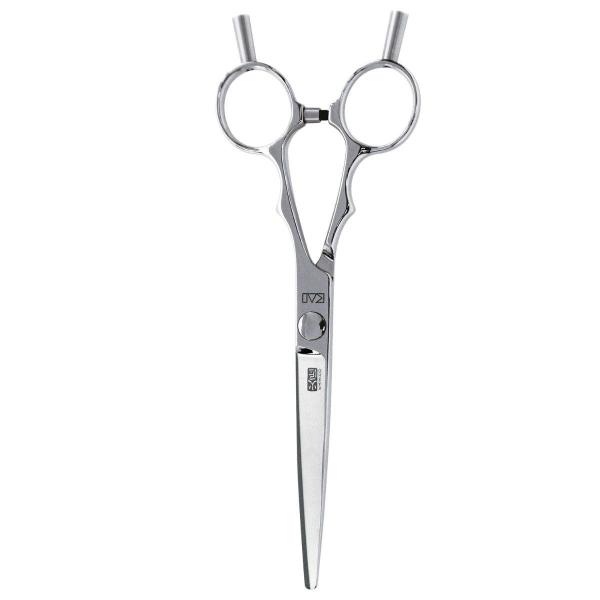
Start with the cutter you already place well against your comb. Note whether another reach would cover a particular section or outline, then compare the actual model. A nominal inch label identifies the whole-tool option; it does not independently establish its blade span.
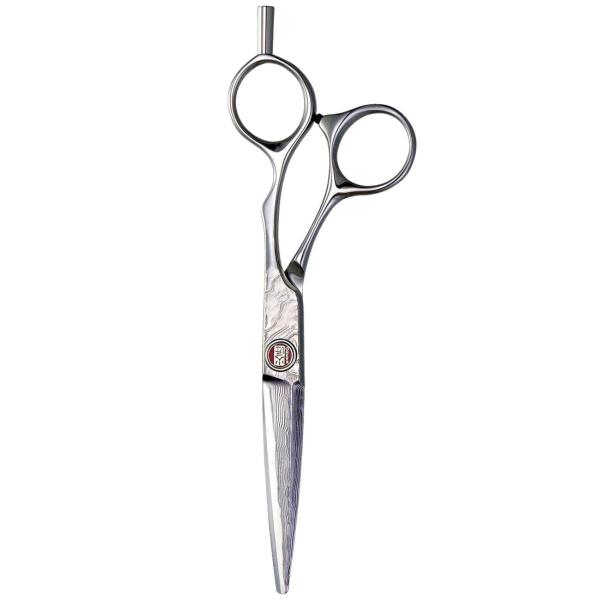
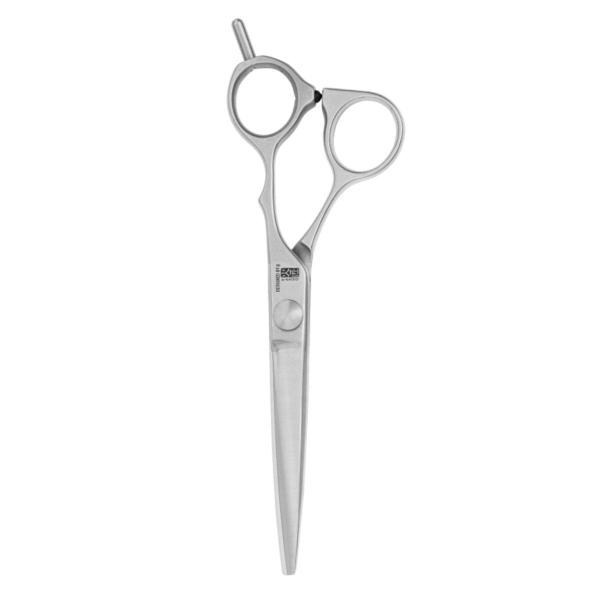
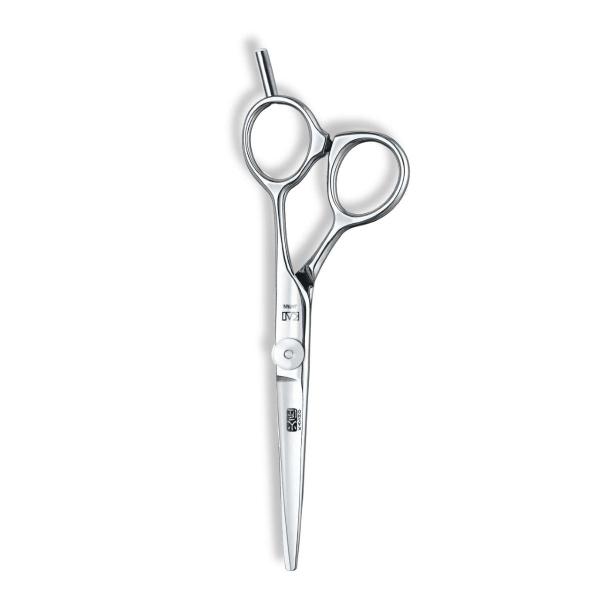
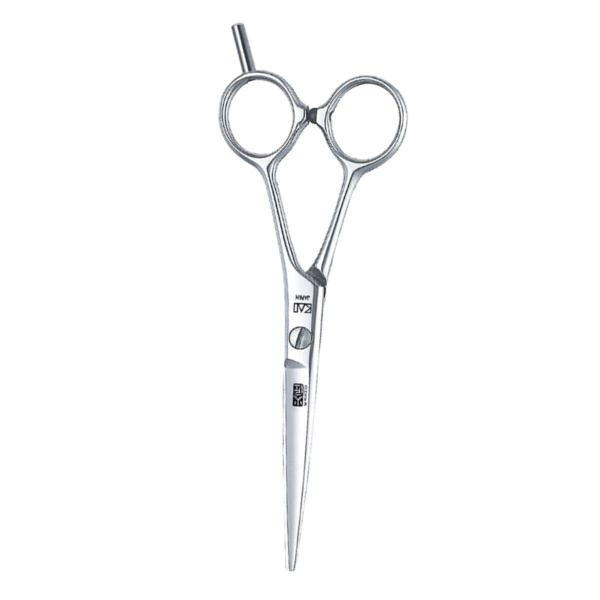
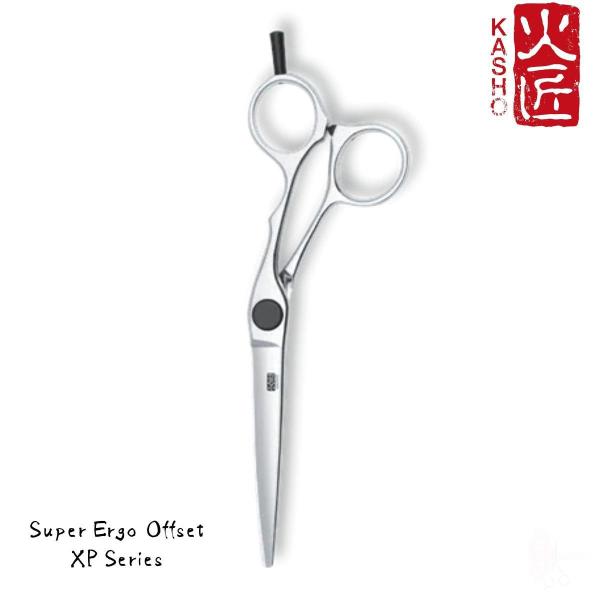
Keep edge and blade profile separate. Convex or bevelled describes an edge construction; a sword profile is another field to read alongside it. Ring position, hand and pivot belong to the complete comparison too.
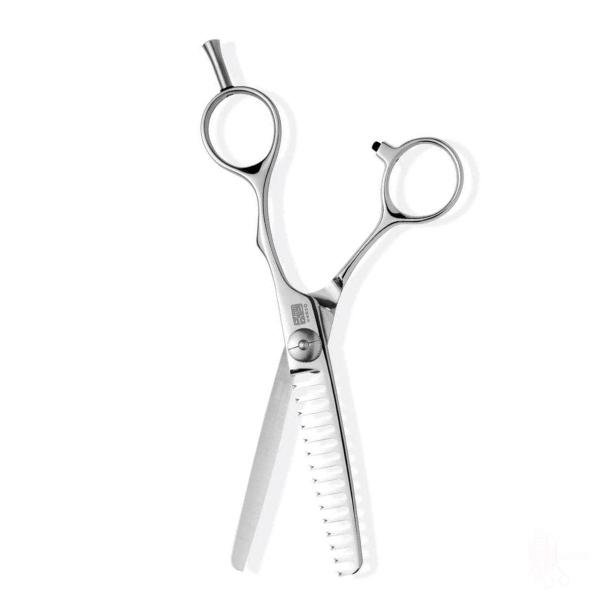
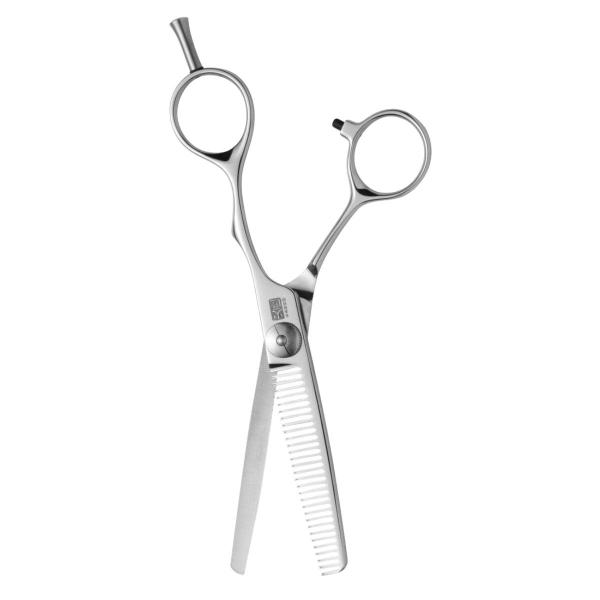
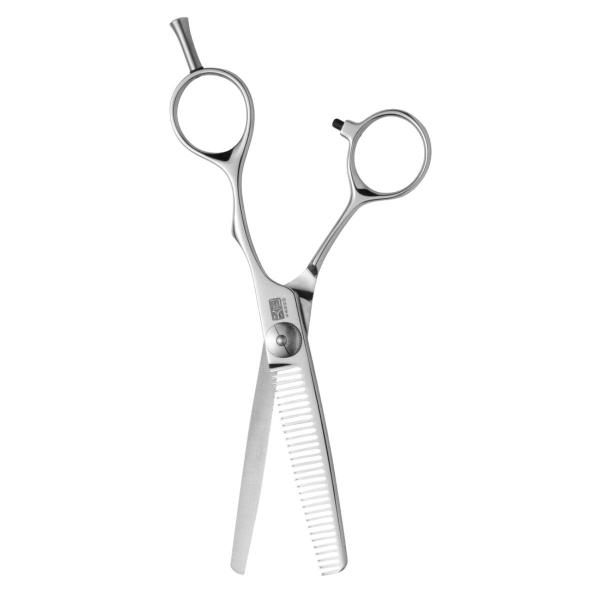
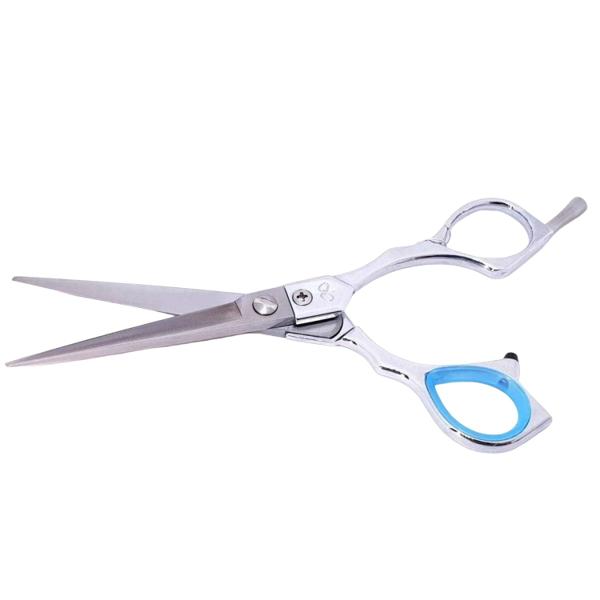
A second cutter can supply a different working reach or a deliberate backup. A thinner has its own job, even when it shares a finish or arrives in the same set. Read each selected component before deciding the bundle fits your kit.
Filter
Products
23 products
23 products
-
-
-
-
-
-
-
-
-
-
-
-
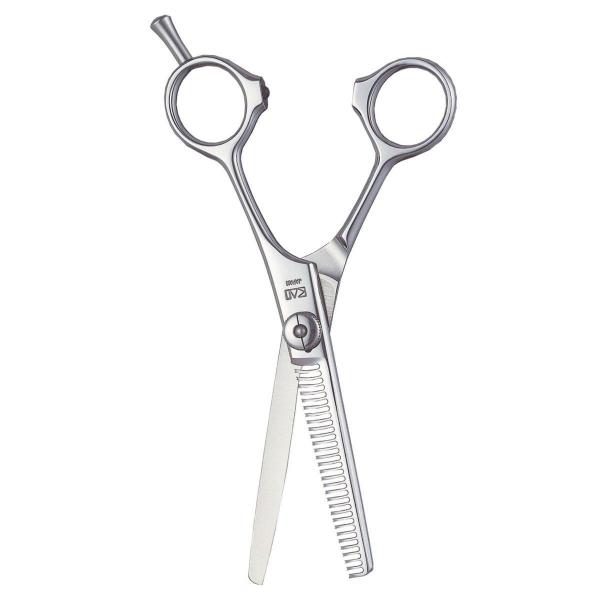
-
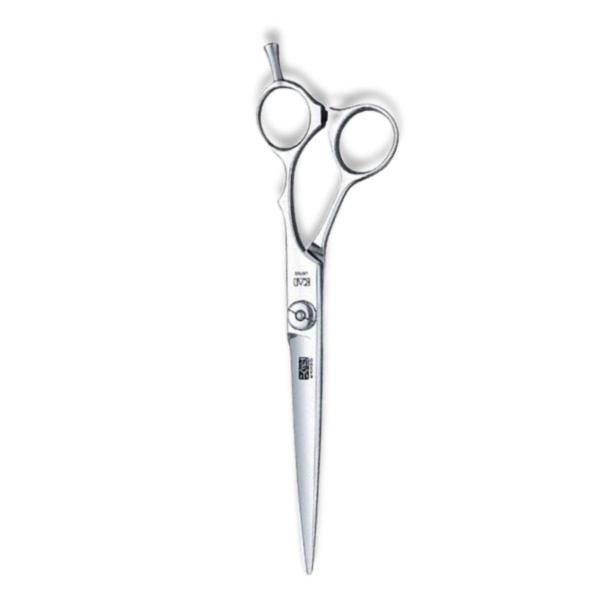
-
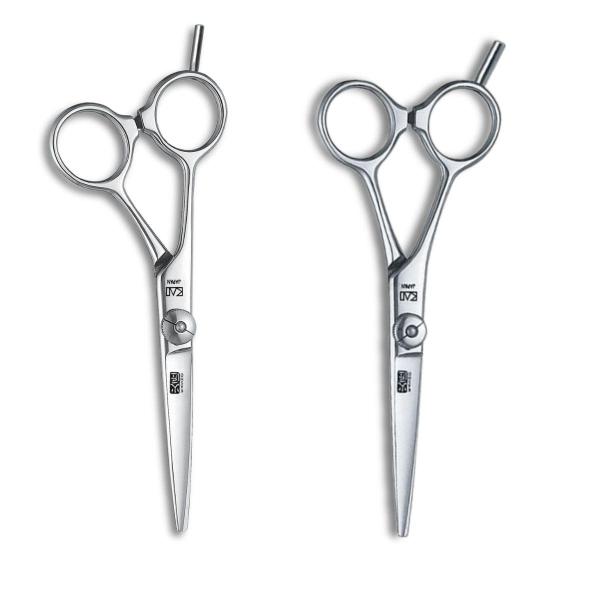
-
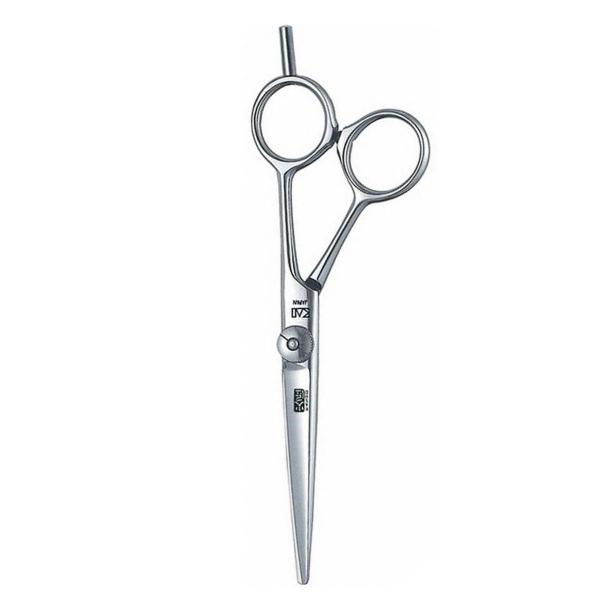
-
-
-
-
-
-
-
- −24% off
No products match these filters.
The journal
Guides for this choice

Compare ten actual barber options
Ten distinct cutter models, with exact options for different working jobs.
Read the working reach
Separate the nominal label, published blade span and comb-relative landmarks.
Give a second cutter a job
Choose a different reach, a usable backup or the cutter you already have.
Frequently asked
Which length should I compare for comb work?
Begin with a familiar cutter and the reach your work calls for. Compare the nominal option with any published blade measurement, then consider the heel and tip positions beside your own comb. A 6.5- or 7.0-inch label is a candidate to investigate, rather than a universal barber requirement.
Does a barber kit need two cutter lengths?
A second length is useful when it covers a distinct job you want to place differently. A same-length cutter can instead be a backup. Keep the thinner separate from both decisions; it is another tool with its own role.