Does Your Barber Kit Need Two Cutter Lengths?
Give the second cutter a job, or a clear backup role.
By JapanShears EditorialUpdated
On this page
A second cutter earns its place by covering work your first one leaves awkward, or by being a usable backup. Start there. A matching finish and an extra slot in the roll are pleasant details once the job is clear.
Name the gap in your present kit
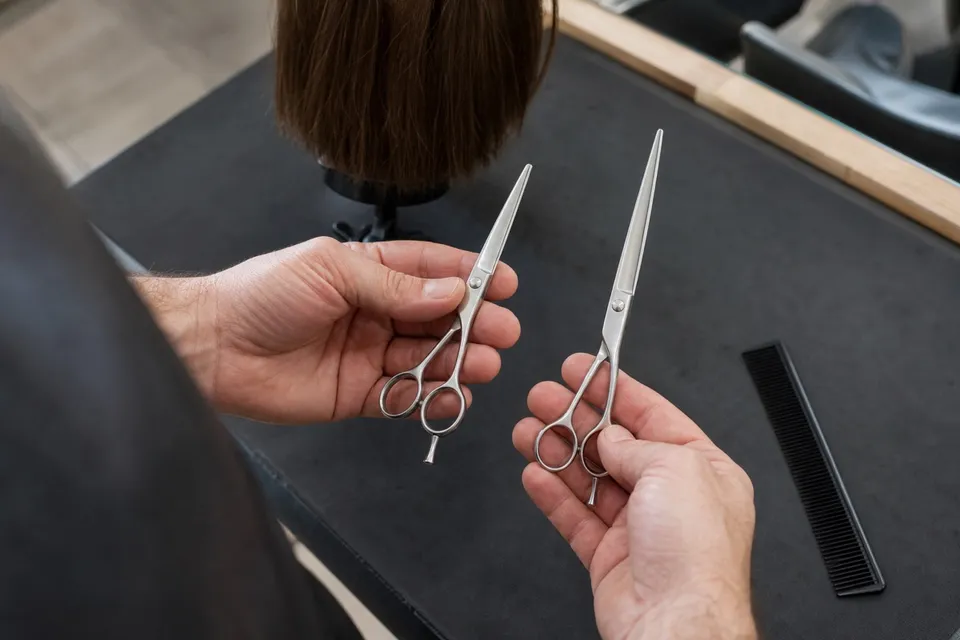
Put your familiar cutter beside the comb or guide you use. Think about the work where you want a different reach: placing the tips near an outline, following a longer guide or changing between those jobs. Write down what you want the second tool to cover.
Your present cutter may already suit both tasks. If so, keep it in the working role and decide separately whether you need a spare. If its cut or closing action has changed, use the condition guide before treating that change as a reason to buy another length.
The reach comparison explains nominal labels, published blade measurements and the heel-to-tip landmarks beside a comb. A shorter inch label does not automatically promise more control; hand, handle and the complete blade build still enter the choice.
Choose a second job or a backup
For two working lengths, describe what each cutter will do. You might want a longer reach for comb work and another tool whose tips you prefer to place around an outline. Compare that pairing with the tools you already know.
For a backup, start with the construction you want to retain. A second nominal seven-inch cutter can be intentional. Assess whether its actual build suits the work it will cover while the first is unavailable; sharing an inch label alone does not establish equivalence.
Keep the cutting hand fixed. The left-handed shortlist has dedicated longer cutters to investigate; a right-handed multi-tool kit does not supply that role.
Read these actual component choices
These right-handed Yasaka options show the difference between adding reach, adding a thinner and choosing two cutters. Follow the selected listing for the complete specification and current price.
For the two- and three-tool sets below, open Specifications and read Tools in this option. It lists each cutter separately, including two cutters with the same nominal length, and keeps the thinner’s size and teeth with that tool. Use Description for other construction details and accessories.
| Selected option | Cutters | Thinner | Question it answers |
|---|---|---|---|
| Yasaka Barber | One nominal 7.0-inch cutter | None | Does one long cutter fill the missing job? |
| Professional Barber set, 30T | One fixed 7.0-inch cutter | Fixed 6.0 inches, selected 30 teeth | Do you need a long cutter and this separate thinning design? |
| Three-piece set, 7.0/5.5/30T | Fixed 7.0 inches plus selected 5.5 inches | Fixed 6.0 inches, selected 30 teeth | Would two different nominal reaches cover two useful cutter jobs? |
| Three-piece set, 7.0/7.0/30T | Two 7.0-inch cutters | Fixed 6.0 inches, selected 30 teeth | Would a same-length backup be more useful than a shorter second cutter? |
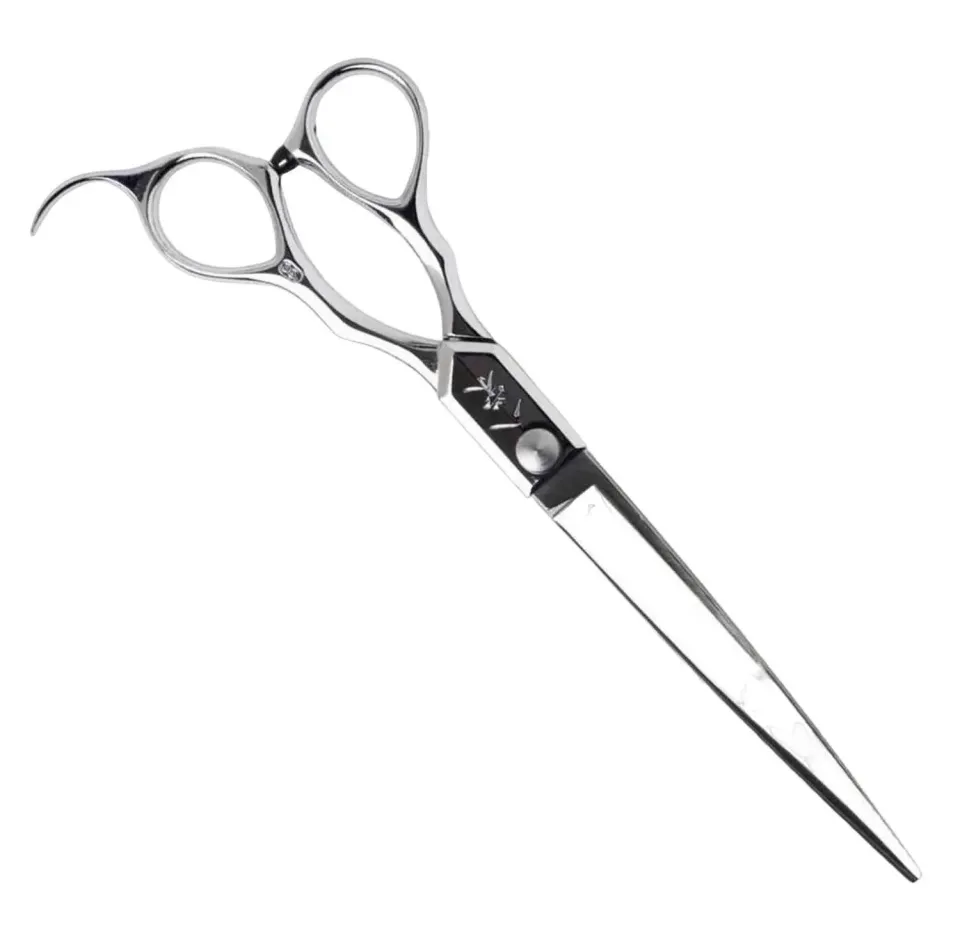
The three-piece menu also offers second cutters of 4.5, 5.0 and 6.0 inches, and thinner choices of 16, 20, 30 or 40 teeth. Read the whole selected label. The thinner’s count does not establish a removal rate, and its length stays separate from either cutter. Use the tooth-design guide if that component also needs a buying reason.
Turn the comparison into a purchase decision
During training, take the missing-job question to your educator. The official SHBHCUT005 planning document connects the planned over-comb design with equipment selection and review. Your educator sets the actual exercise, placement and sequence. The existing practice brief gives you a place to record the feedback.
Finish with a short reason for every tool you would buy: its working role or backup role, the correct hand and the construction you want to compare. Use the general set guide for the remaining component questions, then return to the barber shortlist or collection with a clearer brief.