When Hair Shears Start Pushing Hair
Clean the tool, check its action and know when to stop and ask for professional service.
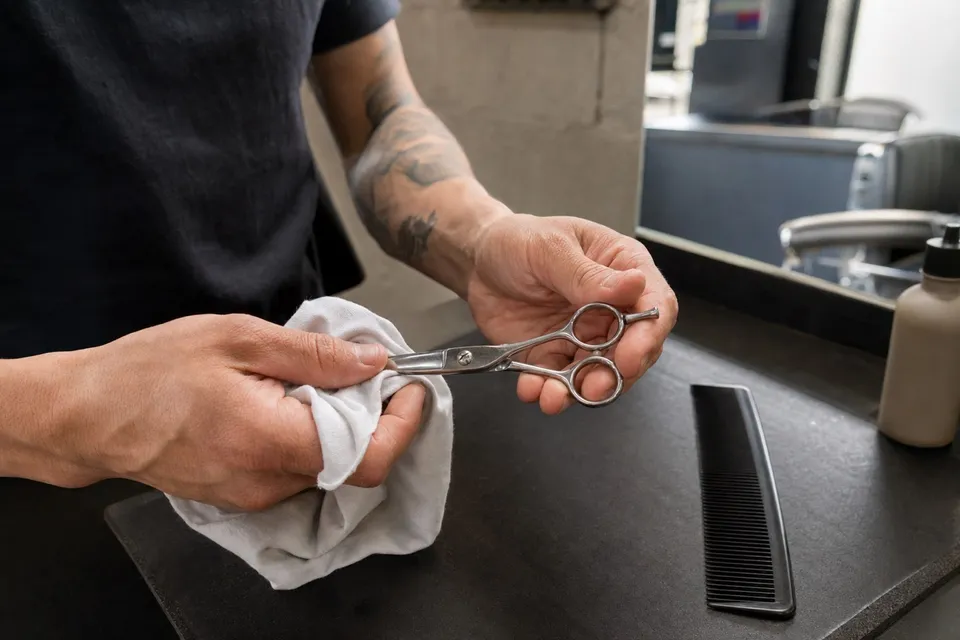
Notice the change before forcing a cut
A shear that used to cut a section cleanly may begin pushing, folding or catching hair. That can have several causes: product residue, trapped hair, a changed pivot feel or an edge that needs professional attention. Stop and inspect rather than applying more pressure.
Check in a short sequence
- Remove loose hair from the blades, tooth line and pivot.
- Wipe and dry the shear, then follow the maker’s instructions for a small amount of pivot oil.
- Look for visible nicks, damaged tips or loose parts without running a finger along the edge.
- Compare the closing action with how the shear normally feels.
If the tool still pushes hair on a small, clean section, set it aside for a qualified shear technician. Do not try foil, paper, a household sharpener or a large tension adjustment as a quick repair.
Describe the problem clearly
Tell the technician which part of the blade catches, whether the fault started after a drop or service, and what you have already cleaned. Include the model and its listed edge type. The pre-sharpening guide helps prepare that information.
A backup shear makes it easier to take a problem tool out of use. Keep the working pair clean and dry, store edges apart and record service in a maintenance log.
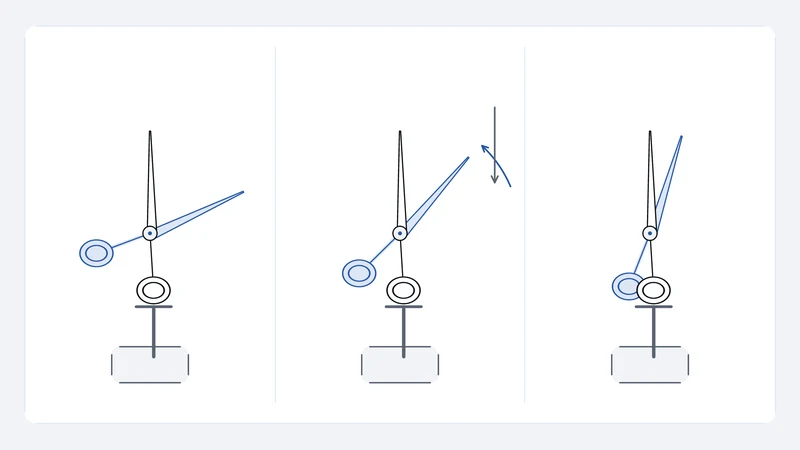
A closer look at shears
Comparing two models? Send us their names or SKUs and the cutting work you have in mind.