Mina Umi Cutter: Size and Hand Options
By JapanShears EditorialUpdated
On this page
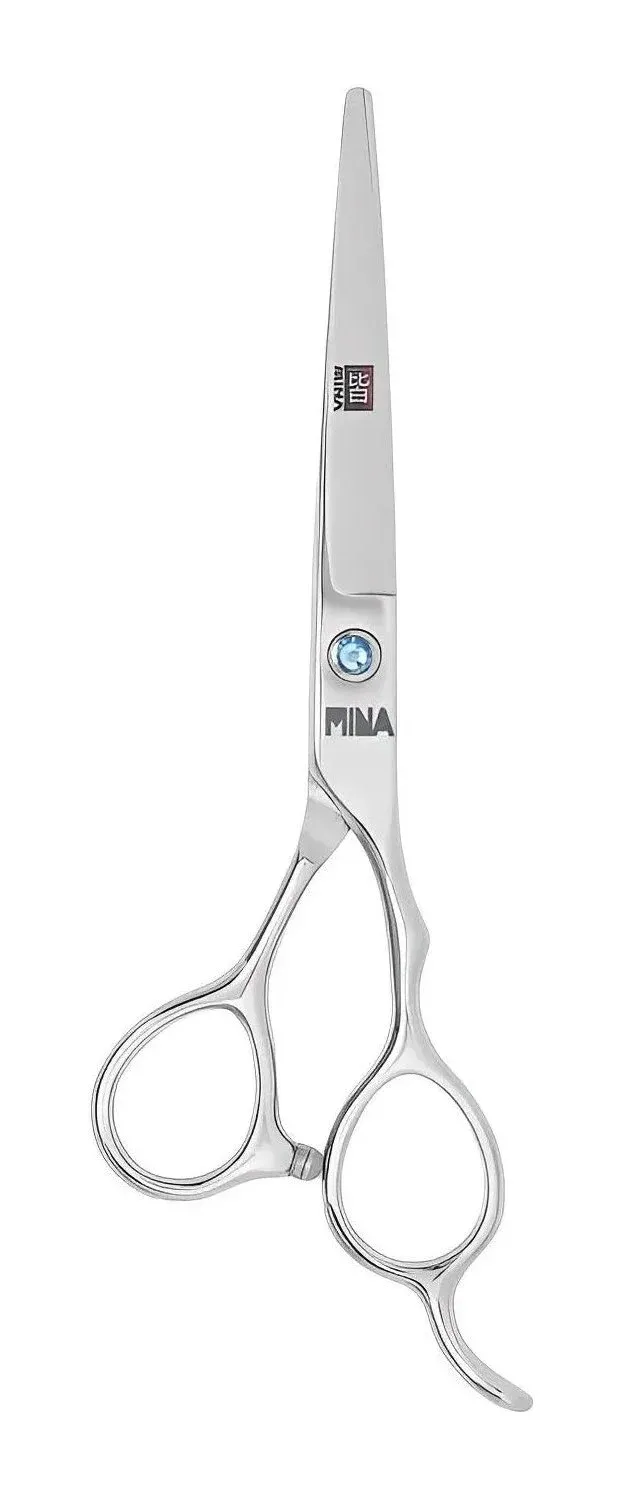
The Umi cutter is a single convex-edge shear, offered in separate right- and left-handed builds. Start with the hand and size you need, then decide whether this one tool answers the purchase. The Umi name also appears on a thinner and a three-tool kit, so it helps to keep those listings beside each other.
Which cutter can you actually select?
| Working hand | Listed cutter sizes | A six-inch starting point |
|---|---|---|
| Right | 4.5, 5.0, 5.5, 6.0, 6.5 and 7.0 inches | Umi MIN-UMI-C60 |
| Left | 5.5, 6.0 and 7.0 inches | Umi MIN-UMI-LC60 |
The Left menu has three choices. It is not a mirror of every Right size. If six inches is familiar, compare that selected Umi with your current cutter before deciding whether another length serves a purpose. The size guide keeps the nominal whole-tool label separate from actual blade reach.
Read the construction behind the polished finish
The current Umi cutter specifies SUS440C, a convex edge, offset handle and key-adjustable screw, with a mirror-polished finish. These are separate fields. The silver surface does not establish the hand or edge from a photograph.
A convex term concerns the curved outer grind; a bevel describes a flat facet near the edge. Ichiro’s blade reference explains that vocabulary. Our blade guide also separates edge, profile and cutting-line curve. None of those names supplies an exact edge angle or a haircut recipe.
Using the key-adjustable screw
The Umi’s screw is listed as key-adjustable. That makes small tension changes possible, but it does not mean the tension needs regular changing.
- Check first. Hold the shear tips up, open the blades into a cross and release one ring. A small drop is typical; the exact feel depends on the maker’s setting.
- Change in small steps. If an adjustment is needed, turn the key a small amount and check again.
- Clean before you adjust. Hair and residue at the pivot can change the feel. Clean and dry the shear before deciding the tension is wrong.
- Note the change in your tool record, so a sharpener knows what was altered.
If the action catches or grinds, stop adjusting and arrange a check. The maintenance hub explains what to record.
Left-handed buyers
The Left Umi is a separate left-handed build, not a right-handed shear with reversed rings. That matters because the blade arrangement decides which side of the cutting line you see. The left versus right guide explains the construction.
If you cut left-handed and want a matching toothed tool, select the Left thinner build as well. A right-handed thinner used in the left hand closes differently.
As a spare cutter
A spare is most useful when it matches your main cutter’s hand and length. Keep it clean, dry and closed, and check its tension before the week your main shear goes for service.
The Umi’s range of Right sizes also suits a second working length. A 7.0-inch Umi beside a familiar 5.5-inch cutter covers comb work and detail with two separate tools. Decide which of those roles you need before choosing the length, and keep both tools in the same hand.
Give the other Umi tools a reason to be there
The separate thinner is six inches with 30 V-shaped teeth. Choose its Right build or Left build when that tooth design fills the missing job. Count does not establish a removal percentage.
The Master instead includes two convex cutters and one fixed thinner. For example, the Left 5.5/7.0 combination supplies those two cutter lengths with the six-inch, 30-tooth thinner. Explain what each cutter would cover; the two-length kit guide distinguishes another working role from a backup.
Use the similar-name guide to keep one cutter and the bundle clear, then read the selected listing’s current price and contents. Protect each tool separately and follow its own pivot instructions through the care guide.