Joewell Cutters and Sets: Choose the Build You Need
Start with the cutter. Choose the thinner separately.
By JapanShears EditorialUpdated
On this page
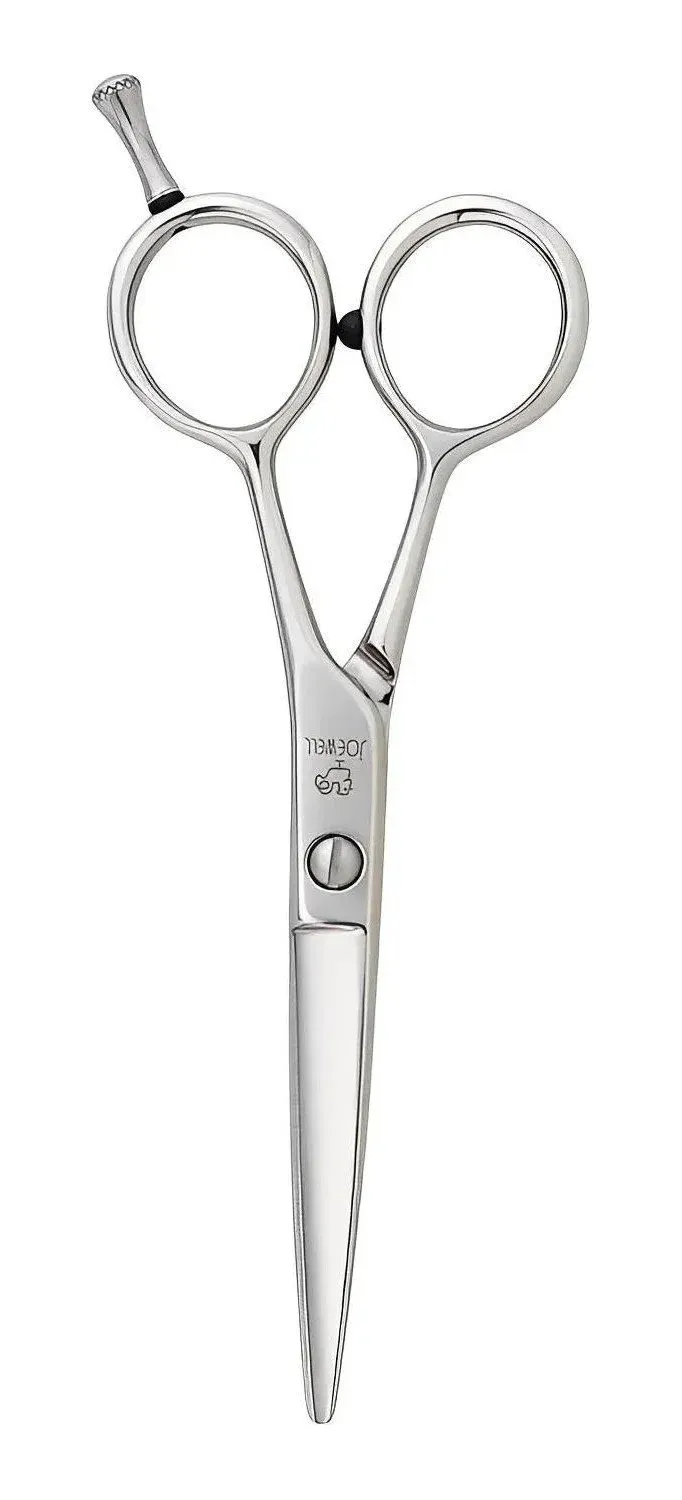
Choose the Joewell cutter for the job before deciding whether to buy a pair. Classic and Classic PRO differ in blade construction. Serrated changes the cutting edge; NB Bamboo changes the blade line. A set then adds an E-series thinner rather than turning one cutter into a different model.
If you are still deciding what your kit is missing, start with replacing a daily cutter or adding a specialist. Here, we compare the actual Joewell choices.
Classic or Classic PRO at 5.5 inches
The right-handed Classic 55 and Classic PRO 550 share a nominal 5.5-inch size and traditional opposing-ring layout. That gives you a useful starting comparison without changing handle category at the same time.
| Field | Classic 55 | Classic PRO 550 |
|---|---|---|
| Blade wording | Standard JOEWELL Blade | Convex Shape Blade |
| Material statement | Supreme Stainless Alloy | Supreme Stainless Alloy |
| Pivot | Precision flat screw | Precision flat screw |
| Finger rest | Removable | Removable |
| Listed cutter menu | 4.5/5.0/5.5/6.0/6.5/7.0 | 4.5/5.0/5.5/6.0 |
Joewell’s Classic reference and Classic PRO reference identify those builds. Its blade glossary calls the Standard blade flat single bevel and treats Convex Shape as a separate design. PRO is a construction choice, rather than a promise that every cut will improve. The edge guide explains the terms.
Which other question are you trying to answer?
| Your comparison | Actual alternative | What changes |
|---|---|---|
| A micro-serrated cutter | Classic Serrated 5.5 | Fine edge serrations; still a cutter, not a toothed thinner |
| Another symmetric Standard-blade family | New Era 5.5 | Its own 5.0/5.5 menu and satin-handle/polished-blade finish |
| Semi-offset with an intermediate nominal length | SZ 5.75 | Convex Shape Blade, removable rest and model-specific dry-bearing screw |
| Offset with smaller finger holes | ZII 5.5 | Permanent rest and thin adjustable screw, alongside the grip change |
All four linked alternatives are right-handed. Choose Serrated when that edge belongs in your cutting brief. Sharing the Classic name does not make it a substitute for a smooth drawing-cut tool. New Era shares Standard blade wording with Classic, but that does not establish identical dimensions or action.
SZ525/575 appear in Joewell’s 2014 catalogue, printed page 19. The ZII maker page lists small finger holes and a permanent rest. Compare those details with your familiar tool; a smaller opening is a fit question, not an automatic advantage.
Bamboo NB: choose blade purpose and handle
Joewell’s slide-cut reference names NB among its bamboo-leaf designs for slide cutting and slicing. That describes the blade-line purpose, rather than a steel grade or every edge detail.
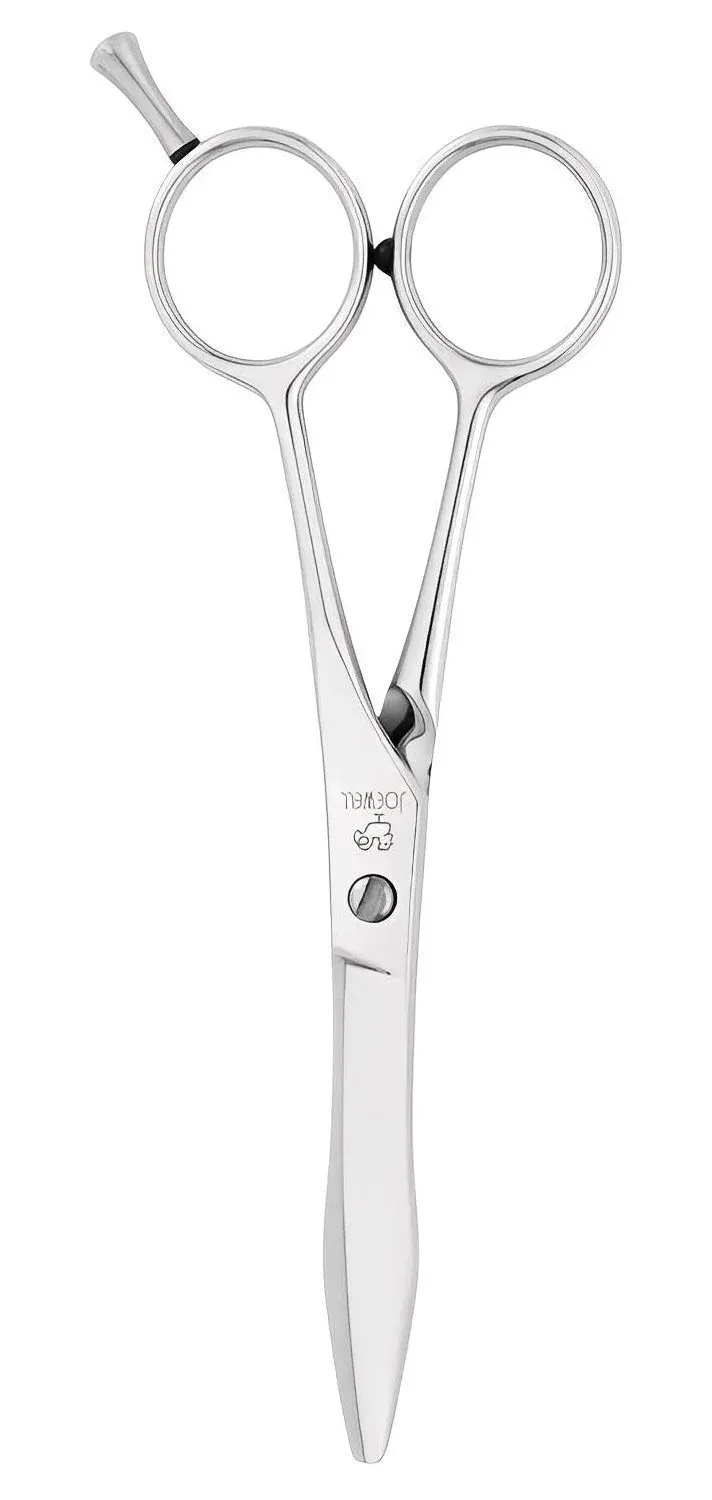
The listing offers 5.0-inch Classic or 5.0-inch Offset, and the same two layouts at 5.5 inches. At 6.0 inches, the listed choice is Classic. Decide which grip you want as well as why you want the blade line. The technique guide connects that choice to the movement you intend to practise.
Choose the thinner independently
Each pair below offers E-30 or E-40. Both are right-handed, symmetric 5.6-inch thinners. Selecting a longer cutter does not lengthen either thinner.
| Pair | Cutter choices | Worked selection |
|---|---|---|
| Classic pair | Six lengths, 4.5–7.0 | 5.5 cutter + E-30 |
| Classic PRO pair | Four lengths, 4.5–6.0 | 5.5 PRO cutter + E-30 |
| New Era pair | 5.0 or 5.5 | 5.5 New Era cutter + E-40 |
Joewell’s E-series specification gives E-30 30 teeth and a 15% cut-ratio statement; E-40 has 40 teeth and 35%. These are model statements, not guaranteed removal from your section. The cut-ratio guide explains how to read them.
Already have a cutter you want to keep? Compare the separate E-30 or E-40. Buy the pair when both tools answer a need. The Joewell model map puts these choices beside its left-handed, longer-reach and other specialist builds.