Types of Hair Shears: Choose by Job
A practical map of cutters, thinners, texturisers and handle layouts.
Choose the tool type first
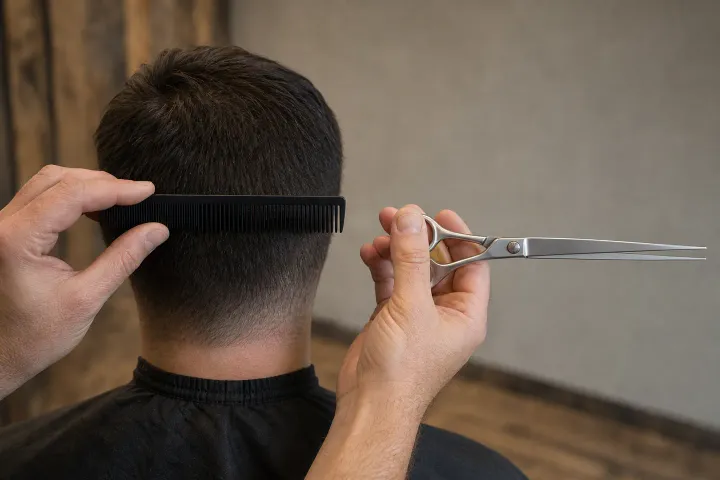
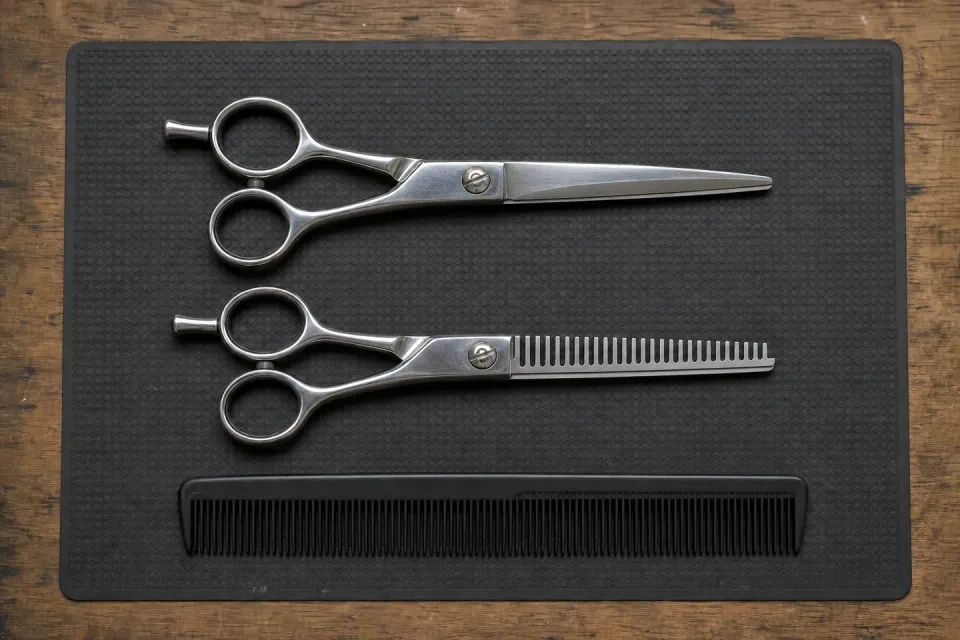
A cutter establishes a shape. A toothed shear changes weight or texture. A razor uses a replaceable blade and a different movement again. Start with that job before comparing steel or colour.
| Tool | Compare first |
|---|---|
| Cutting shear | Edge shape, whole-shear length and hand |
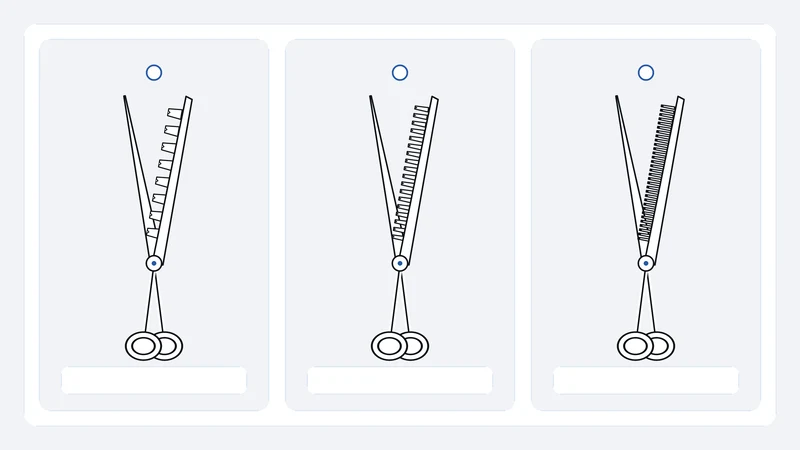
| Thinner | Tooth count, tooth form and section placement |
| Coarse texturiser | Wider tooth spacing and the amount of visible texture you want |
| Styling razor | Handle, guard and compatible blade pack |
See the cutting, thinning and razor ranges for the actual models.
Then compare handle and length
A classic handle puts the rings more evenly in line. An offset handle places the thumb lower; a swivel ring adds movement at the thumb or finger. None guarantees comfort for every stylist. Check the photos and your own grip.
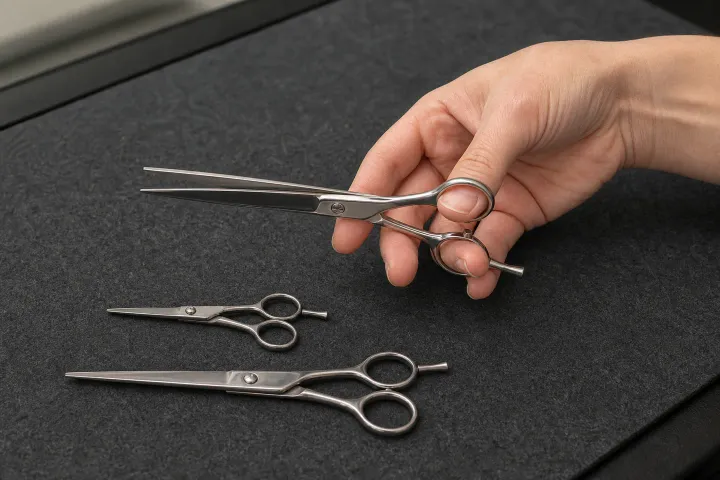
The length on a product page is usually the whole shear. A compact size keeps tip work close; a longer size offers more reach through sections and over a comb. The buyers guide helps you narrow those choices.
Keep the chosen tool in condition
Wipe away hair and product residue, dry the blade and protect the edge in storage. Clean trapped hair from a thinner’s teeth. If a shear begins pushing hair, review the maintenance guide before forcing it through another section.
A closer look at shears
Comparing two models? Send us their names or SKUs and the cutting work you have in mind.