When to Add a Second Hair Shear
A practical way to expand a kit by cutting job instead of assuming a steel upgrade is always next.
Upgrade when a job is missing
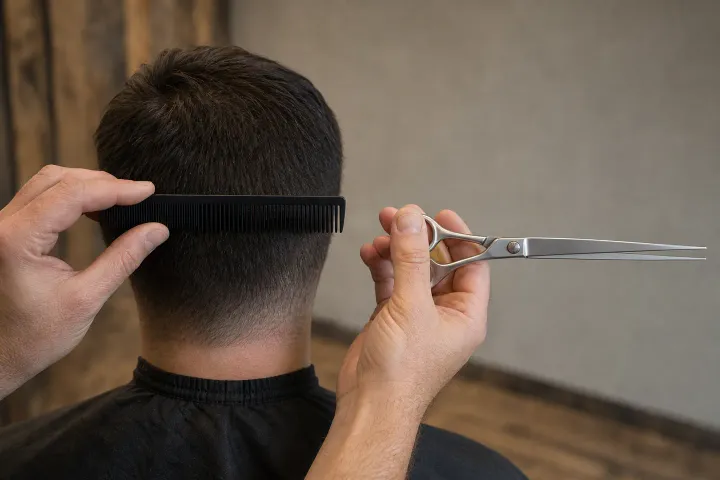
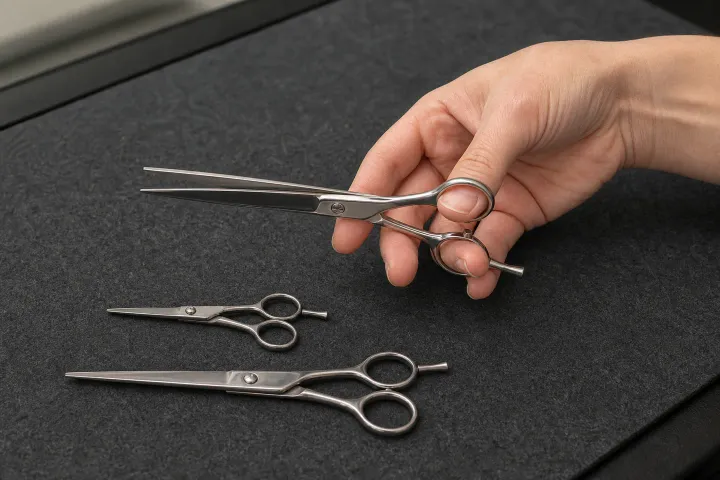
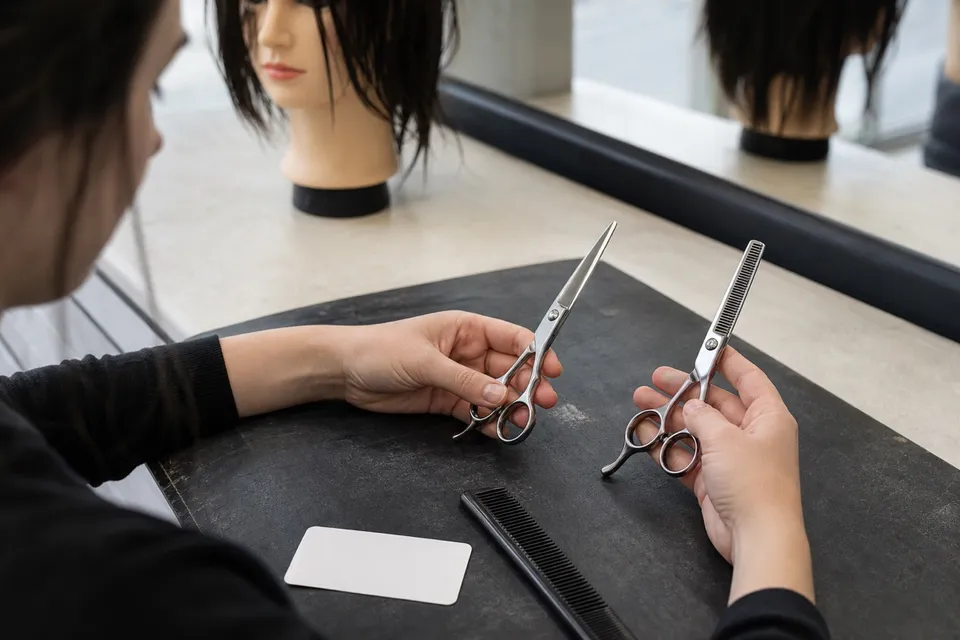
A second shear earns its place when it solves a task your current tool handles poorly. That might be a longer cutter for comb work, a compact one for detail, or a thinner for controlled texture. A new alloy alone does not tell you whether the purchase will change your work.
Audit the current kit
Note the size, hand, edge and handle of the shear you use most. Which sections feel awkward? Does the edge push hair even after cleaning and professional service? Is the issue the tool type, its condition or the technique? The maintenance hub helps separate those questions.
Compare a specific next tool
- If you need a different cutting length, compare the cutting collection by whole-shear size.
- If you need blending or weight removal, compare tooth layouts in the thinning guide.
- If you want a matched pair, read the actual cutter and thinner in the sets collection.
Mina and Ichiro both have several edge and handle designs. The Mina vs Ichiro comparison shows why a family label is too broad for an upgrade decision.
Keep the first tool useful
A serviced first shear can remain a backup while the new one handles a specialist job. Record both tools’ care and service dates. When comparing a different steel, use the steel library for the material terms and the live product page for the exact model.
A closer look at shears
Comparing two models? Send us their names or SKUs and the cutting work you have in mind.