Choosing Japanese Shears for Fine Hair
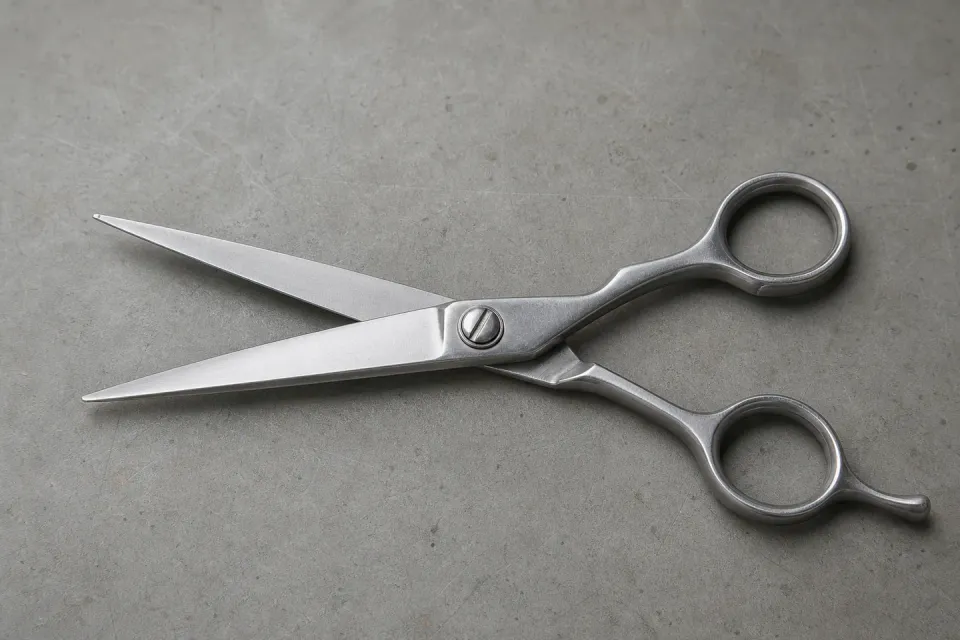
Compare tip control, edge condition and blade length for fine-hair cutting without assuming one steel suits every client.
By JapanShears Editorial Updated
On this page
Fine hair makes blade condition obvious
Fine strands can fold or move ahead of a blade that is dirty, out of tension or due for service. Before changing your technique, check the shear’s action on a small section. A clean edge and controlled closure matter more than a dramatic steel claim.
Compare length and edge together
A shorter cutter can make tip placement easier around a fringe, face frame or short graduation. A longer blade can still be useful for drawing cuts through longer sections. Compare 5.0-inch and 5.5-inch models, then choose for the work you do rather than a universal rule.
A convex edge is one option for a drawing motion; a micro-serrated edge offers a different grip on the hair. The convex edge guide explains the construction term. Maintain either edge to suit its grind.
Models worth comparing
- Ichiko 4.5/5.0 offers a compact blade for close tip work.
- Mina Sakura II includes a 5.0-inch convex-edge variant if you want a short cutter with an offset handle.
- Juntetsu Cobalt Apex offers a different steel and edge construction to compare in its listed sizes.
- Yasaka Classic gives you a traditional handle option where that grip is preferred.
Check each selected size, hand and edge. Price and availability can change, so use the live product page rather than a fixed list in a guide.
Take less with a thinner
Fine hair gives you less room for repeated thinning. Cut the shape first, place a small test pass and comb through before doing more. Tooth count helps you compare thinners, but it does not predict a fixed result across different sections. The thinning guide explains how to compare tooth layouts.
Keep the blades dry, clear hair from the pivot and book a professional inspection when a shear begins to push or fold hair despite routine care.